Transportation & Energy
Overview
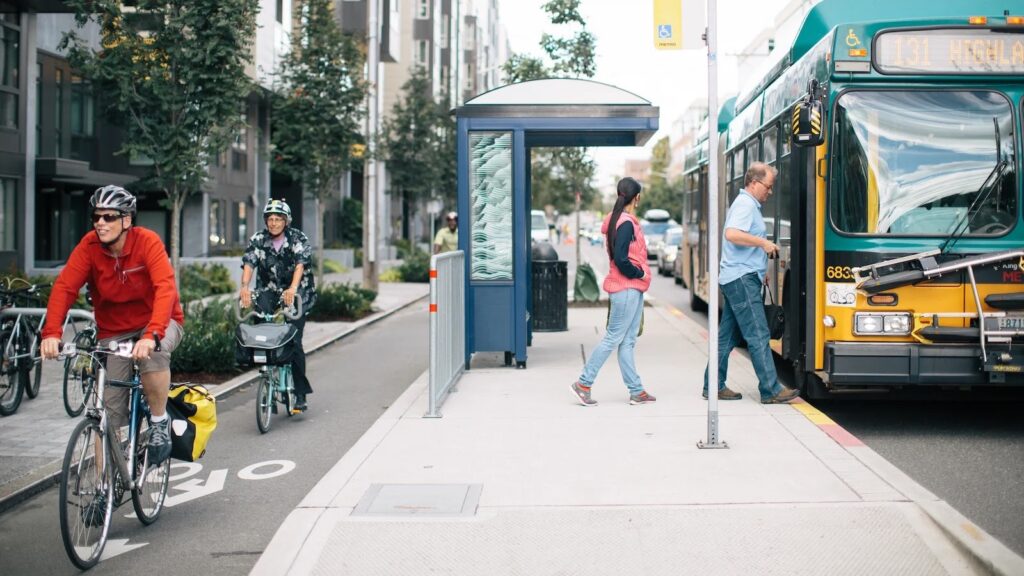
Energy plays a crucial role in everyday life. Locations worldwide use energy such as heating and air conditioning, lighting, electronics, etc. Transportation is also a main function in the economy which helps people to get to and from destinations. In fact, 27% is made up of energy by transportation worldwide. The majority of vehicles are reliant on petroleum which contributes to 20% of global greenhouse gas emissions (GHG). Petroleum, also known as oil, is one of the most common sources of energy. Fracking is a widely spread issue across the globe for a multitude of reasons such as This has severe negative effects which contributes to climate change, air quality, water pollution, and health issues. It is crucial to take action to prevent harming the environment more than it currently has5.
Challenges of Transportation and Energy
Fracking Ban
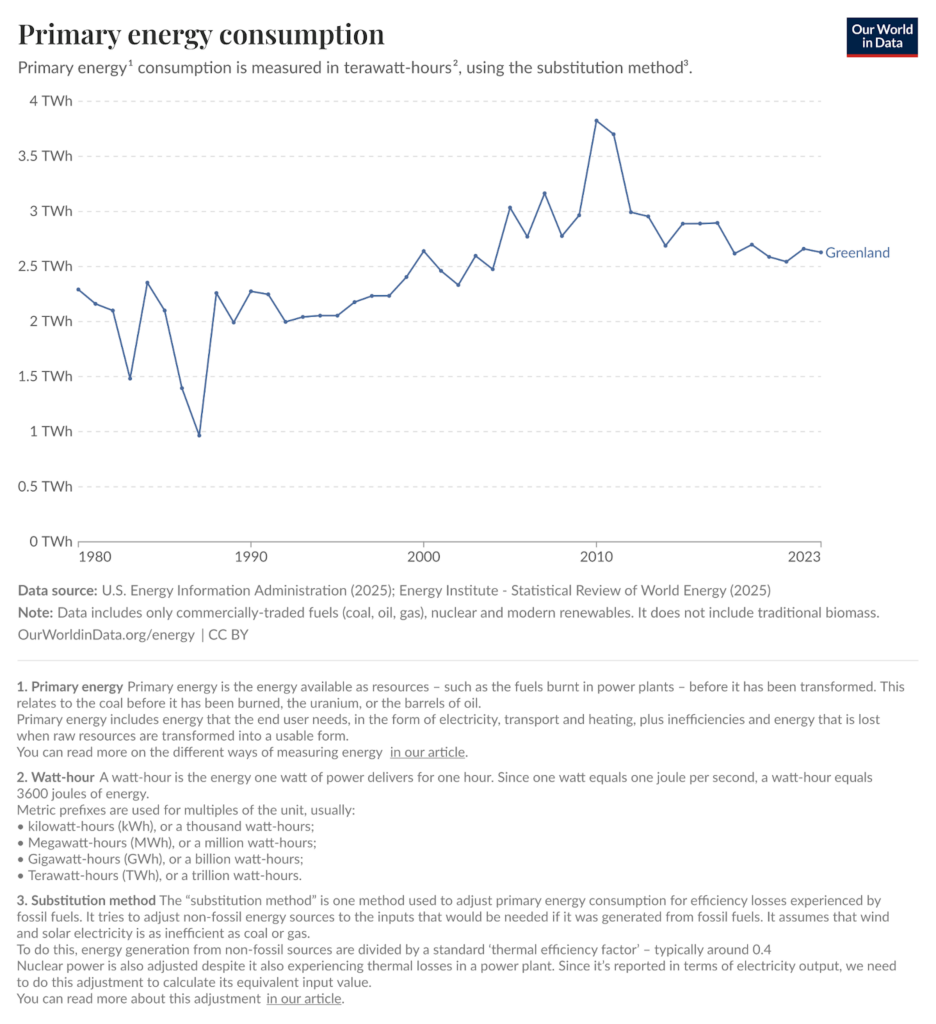
Greenland is ranked number 8 that stores the highest amount of natural resources worldwide. Due to this, many foreign countries are desperately seeking exploitation of resources. In 2021, all use of fracking for oil and gas production was banned in Greenland. While it would be beneficial to provide fossil fuels for the global market, this does not correlate with Greenland’s philosophy of sustainable development6. The government has decided not to renew the licenses for oil and natural gas. This was taken into account in order to protect nature, industries like fishing, and to head down a sustainable future8. The problem that’s currently arising is even though this ban is placed, companies are desperately arranging plans to begin fracking. The Greenland Energy Company has partnered with Canada’s Stampede Drilling Inc. Both companies have declared a drilling location in Greenland and will begin to start fracking sometime in 2026. While it is unclear when fracking will occur, the companies will be fracking into one of the last major unexplored hydrocarbon frontiers in the world. This has sparked severe controversy about whether or not it is feasible to be drilling after the Government of Greenland has clearly banned all exploitation. Many companies domestically and internationally are also hoping to exploit Greenland’s natural resources. The main question that is posed is, will they be successful and will the Government of Greenland get involved and consequences for these actions?
Transportation Struggles
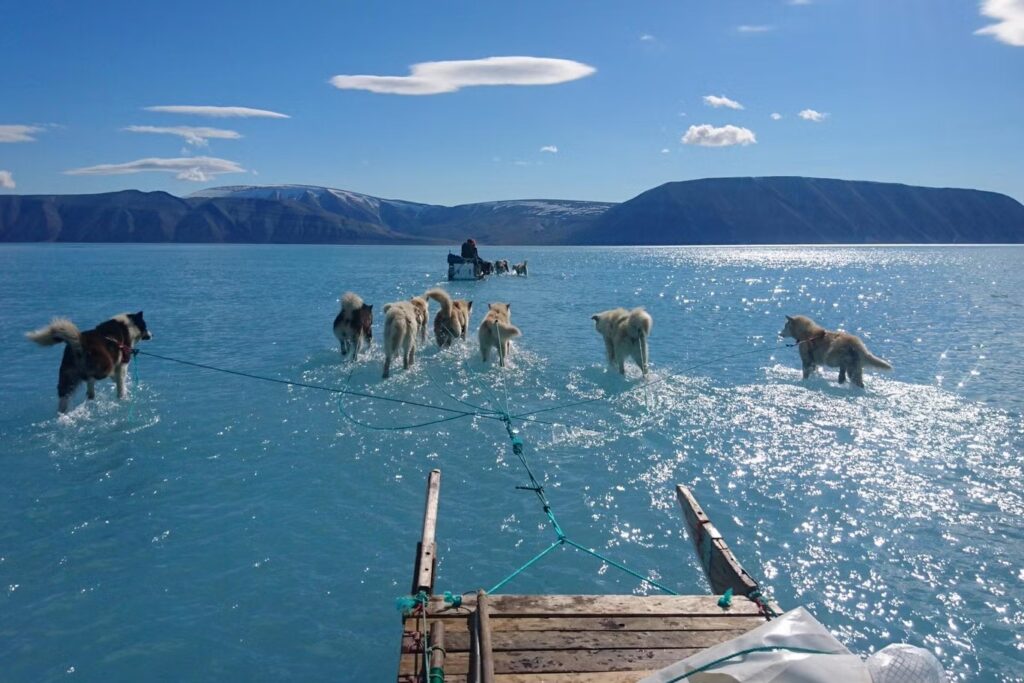
Due to the extensive territory, many towns and settlements in Greenland lack roads connecting to neighboring towns. Given the vast amounts of snow and ice, the most common modes of transportation are by boat, dog sledding and reliable snowmobiles. Cars are also used where towns have accessible roads. During the winter season, it is stable enough to walk on sea ice in which dog sledding and snowmobiles are the most reliable. However, because of climate change, sea ice forms later in the season and melts faster which makes it more complicated and unpredictable to travel across the ice2 3. Greenlanders also rely on fishing and hunting. Given that these changes to the landscape are so significant, they raise many issues, such as rising sea levels, flooding, erosion, a negative impact on global warming, and many ecosystems will be disrupted. These issues create land instability and change in water levels, which can affect travel in warmer months. When sea ice melts earlier than anticipated, ships are unable to deliver fuel resources so instead, shipments need to be flown in. In fact, the government of Greenland has provided subsidization for fuels due to shipment costs having risen significantly. As each year goes by, Greenland is in desperate need of fuel for electric power7.
Successful Solutions
Renewable Energy Sources
Greenland overall has done an excellent job with incorporating renewable energy sources. As the years go by, people continue to engage with new solutions that are both accessible, affordable, and sustainable. In 2020, a government-owned energy company called Nukissiorfiit, installed solar cells, which turns sunlight into electricity, and won the Energy Globe Award. The company plans to have 100% renewable energy for public utility supply by the year 2030. The plan is to continue installing solar cells and battery banks in locations across Greenland. By doing so, this will determine if these sources of renewable energy are able to thrive in different settings and climates. This way, renewables can proficiently replace diesel-based supplies4. The settlement of Uummannaq, the northernmost location that has successfully used solar panels. So despite the harsh weather conditions, these solar panels are still capable of providing renewable energy7.
Electricity in Households
Many homes in Greenland use diesel or other fossil fuels which generate electricity in their homes. Since the cost of fuel has risen significantly, this threatens affordability with food, housing, electricity, and other assets. Most homes in Greenland rely on using an oil boiler or diesel-powered heating. Wood is a less common option since Greenland doesn’t have a substantial amount. Typically homes are heated year round especially because temperatures are low and sunlight isn’t always present. In recent years, heat pumps have been effectively designed to gauge cold temperatures.
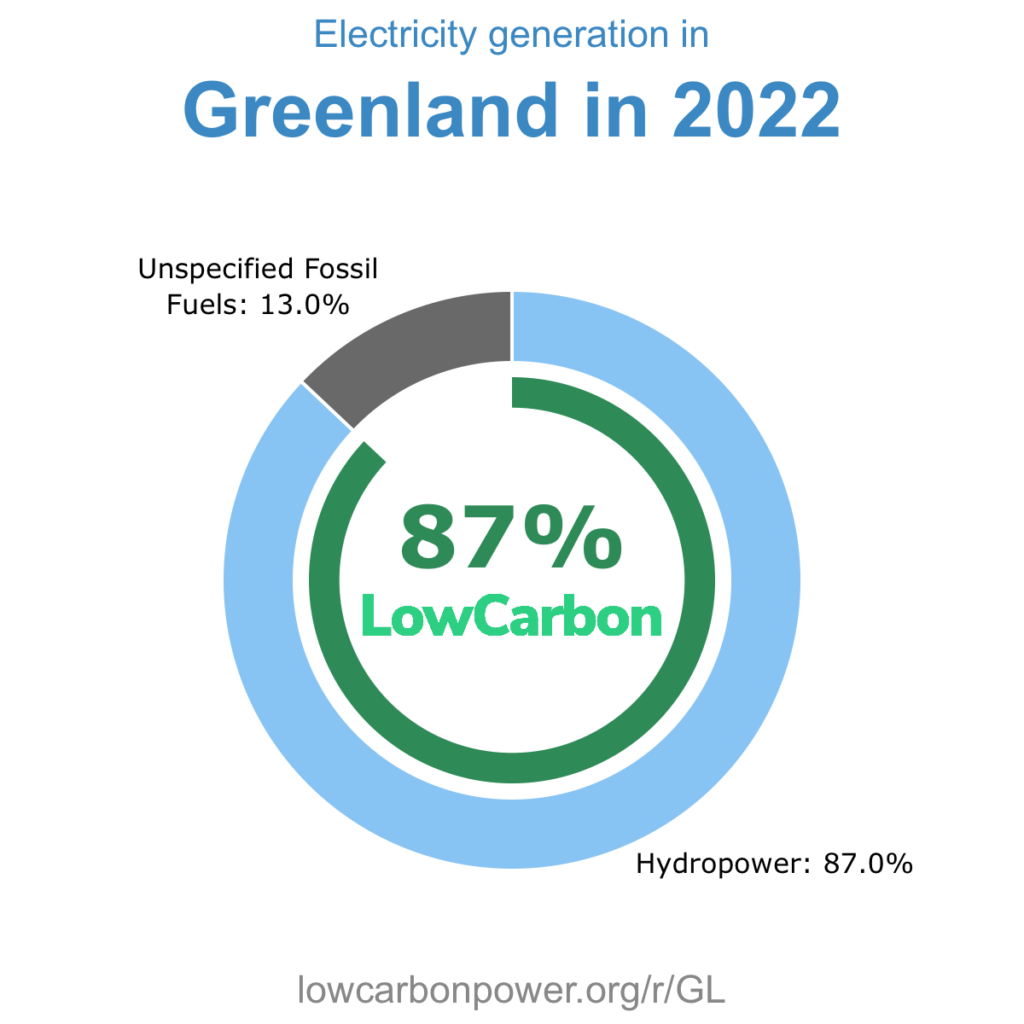
Over 87% of electricity comes from renewable resources. The primary source being hydropower plants. The remaining 13% relies on fossil fuels. This provides opportunities for maintaining the island as a low-carbon environment which significantly benefits a multitude of sources. Transportation, heating, and industries across Greenland has benefitted from using renewable energy1. For example, the town of Illulissat, has a hydropower plant that uses 95% of green energy. These hydropower plants use meltwater that comes from melting glaciers, permafrost, and turbines up to 200 meters below the surface. By incorporating the available resources, it provides opportunities to preserve and restore the global footprint7.
Stakeholders
- Nukissiorfiit
- Arctic Economic Council
- Residents of Greenland
Assets
- Arthur L. Irving Institute for Energy and Society
- Nukissiorfiit
- Arctic Economic Council
- Greenpeace Nordic
Sustainability Definition
Energy is a source that is always present. It is up to humans to own up and take responsibility towards these actions. In terms of the working sustainable definition, providing the solutions and necessary resources will continue to help the present and future generations. Converting sunlight into energy is a great example of environmental integrity. This is an efficient way to use sources that are accessible. Another example are the hydropower plants that are used all over Greenland. To approach wastewater and incorporate it into renewable energy is a sufficient way to solve two problems at once. Since water is melting from glacial ice and permafrost, instead of letting it drift into the ocean, hydropower plants are able to take that water and use it as a resource. By doing so, it fixes issues that benefit both the environment and the economy.