Natural Resources
Overview
For thousands of years, extraction of natural resources has been used for everyday use. From energy created to the water that is consumed, extraction is necessary for human survival. Issues arise when extraction is taken advantage of and natural resources are depleted. Drilling fracking, mining, and harvesting for natural resources are among the familiar extraction methods. While these are widely used, these methods are incredibly harmful and exploitative. There are few sustainable methods, although strict policies and laws can truly make a difference to regulate extraction.There are also major concerns with communities local to extraction sites. Typically the air and water are polluted which can cause significant health issues such as lung cancer and cardiovascular diseases6.
Extraction Challenges
The Struggles with Valuable Resources
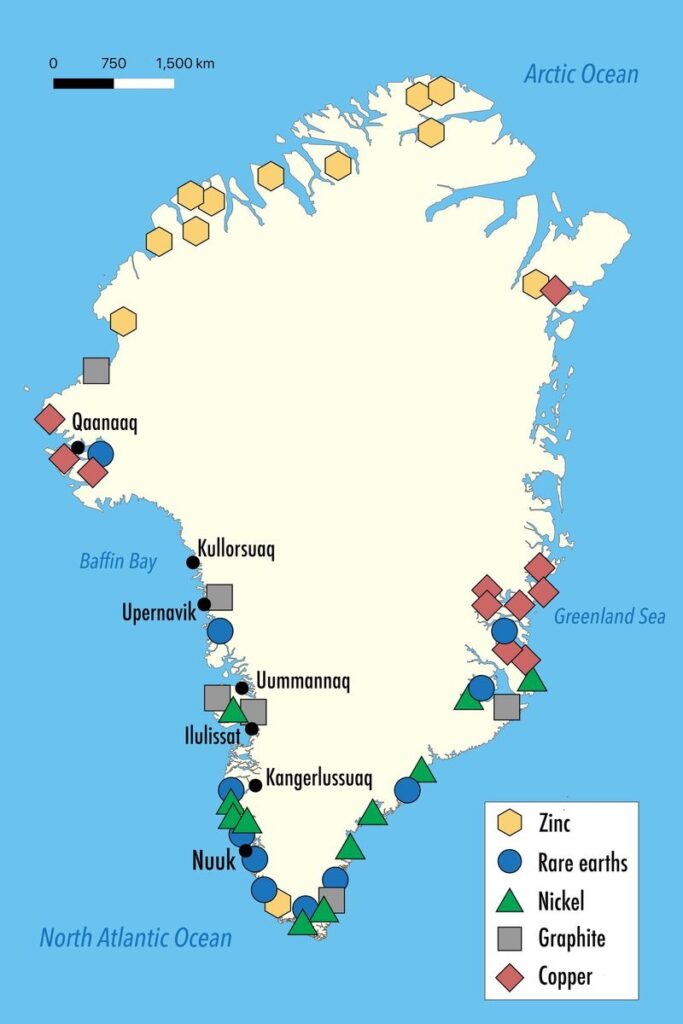
Greenland is home to a vast majority of minerals and natural resources on Earth. In fact, it is estimated that around half of the elements on the periodic table can be found in Greenland. The island contains large quantities of crucial metals like terbium and neodymium which are used in electric cars, wind turbines, and more. Companies everywhere are trying to gain access to these valuable elements for carbon-free energy and transportation. It is crucial to note that Greenland’s environment and economic status is exceptionally fragile as the island has been slowly recovering from industrial disruption, climate change, and high financial costs from mining and infrastructure2 5 . Although, most of Greenland is covered in ice, with more than 3 kilometers thick. While this may seem positive, companies and governments from all across the globe seek traction in these resources. These resources are a political goldmine which causes significant conflicts and challenges.
For instance, U.S President Donald Trump, has been wanting to get a hold of Greenland since his first term back in 2016. Trump claims that he is interested in the island because it will provide security with resources. However, Greenland is pushing back on this notion because the government has placed a ban on any fracking or any drilling of oil4. To gauge an understanding of how much oil Greenland has, the west coast alone is estimated to have 18 billion barrels of oil1. The challenge with the ban is that many companies all over the world have plans to illegally drill regardless of the ban. The question that poses is, how can these companies be stopped?
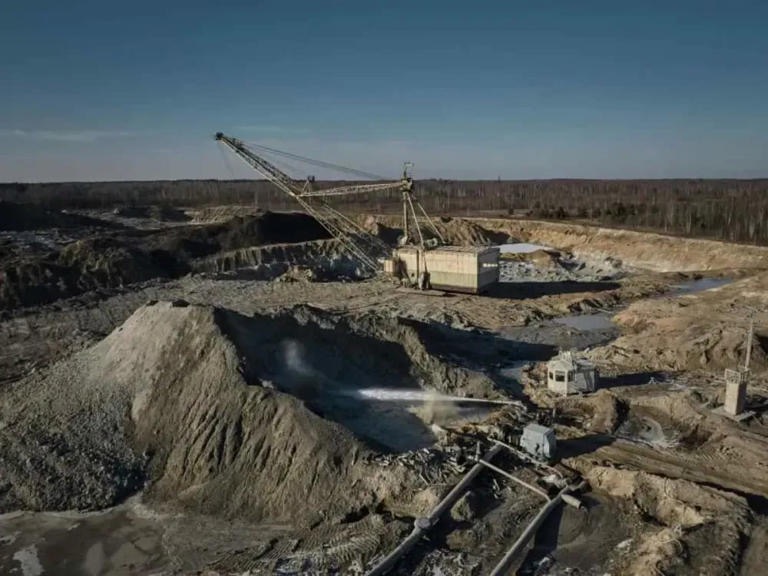
While it is illegal to exploit oil in Greenland, mining for minerals and natural resources is still legal. During this process many hurdles are faced and can cause significant damage. Greenland is already a delicate location due to the climate which presents many challenges in itself. Another challenge that is posed is working conditions for mining and natural resource extractions can be incredibly dangerous especially in remote regions. Locations for mining typically have no nearby roads and there is little to no electricity. If people were to get hurt or machines and vehicles stopped working, getting help would be severely difficult. Since the majority of the island is covered in ice, the majority of supplies needs to be flown in by helicopter7.
Successful Solutions
Uranium Mining Ban
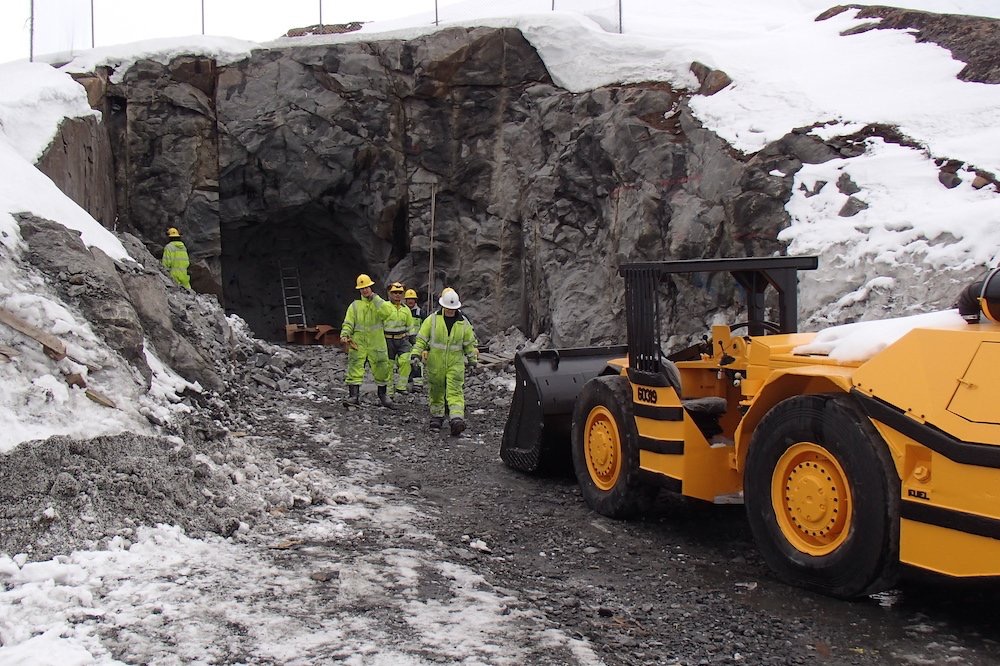
In 2021, Greenland held an election which was referred to as the mining election, which resulted in the ban of uranium mining because of pollution. This ban provides protection from the environment as industrial technology won’t be used, so greenhouse gas emissions won’t be released into the atmosphere. The ban was to stop radioactive mining waste which would pollute the air and waters. This ban would also protect public health, tourism, and fishing industries8 9. In the town of Kvanefjeld, there is an open-pit mine that contains one of the largest deposits of uranium and rare Earth elements (REEs). While the open-pit mine was not primarily a uranium mine, the extraction of rare earth oxides would still violate the law. This mine was known as the Kvanefjeld project and has since been halted. While the ban is considered a victory due to the health and environmental risks that are posed, the Kvanefjeld project decided to sue Greenland in 2024 in demands of exploiting the deposit. Companies like this often sue because they are no longer making a profit. While this is a barrier for the Greenlandic economy, the overall success is the approval of the ban. Greenland is constantly prioritizing the importance of preserving and restoring the environment. When the government receives backlash from the impacted companies, the government would much rather protect the environment than the exploitation of natural resources3.
European Union Partnership
More times often than not, mining is harmful to the environment when it is taken advantage of. The European Union (EU) signed a Memorandum of Understanding (MoU) in partnership with the Government of Greenland to develop sustainable raw materials. This partnership will allow both parties to contribute to sustainable projects with these resources. The areas that will be prioritized includes, economic and industrial integration with networking, providing financial support, and promoting new business opportunities. The agreement also is in cooperation with environmental, social, and governance (ESG) standards. This ensures that Greenland’s resources are sustainable as well as economically stable. Coordination with the Greenlandic society have been accounted for in order to preserve Greenland with legislation, agreements, and guidelines. The agreement has been conscious about the technology that is being used in relation to extraction, exploration, and processing raw materials. That being said, extensive research has been conducted in order to guarantee a sustainable approach. Both Greenland and the EU benefit from this partnership which creates new and sustainable opportunities for both parties2.
Stakeholders
- Greenlandic Government
- Kingdom of Denmark Government
- European Union
- United States Government
Assets
- Greenlandic Society