Drinking Water and Water Resources
Overview
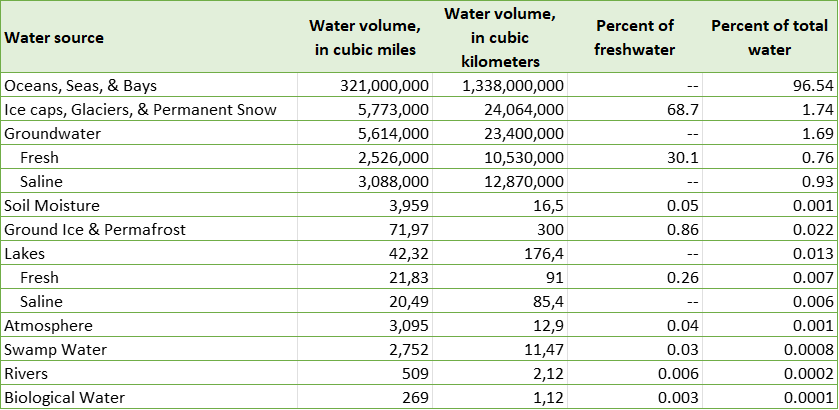
The ability to store life on this planet is a beautiful phenomenon. Where there is water, there is life. All living things need water to survive. The Earth is covered in approximately 71% of water. As shown in Figure 1, the ocean is the leading source of water with a percentage of 96.54%. Only 3.46% of Earth’s water is freshwater, and of that freshwater, only 0.1% is safe to consume. As the human population increases, issues pertaining to the accessibility of water grow substantially each year7 16.
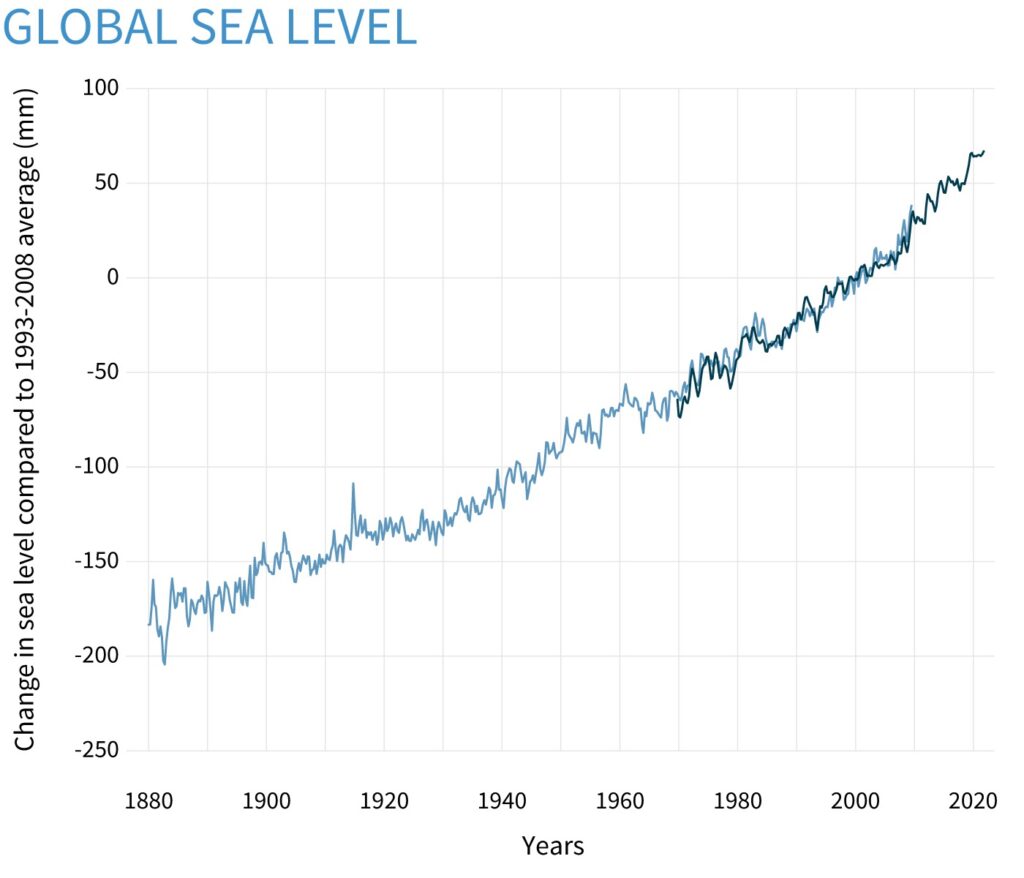
There are many water related issues on a global scale which include, the rise of sea level, water contamination, and overall access to water. Due to the increase of greenhouse gasses in the atmosphere, the ocean has severely warmed up. In 2024, it was reported that the oceans were the warmest they’ve been since oceans were first recorded in 1955 with a surface temperature of 2.32 degrees Fahrenheit1. When water becomes warm, it expands, which is exactly what’s happening to the oceans. One of the main causes is due to the melting of land ice, which increases the amount of water in the ocean14. In the graph that’s shown below, since the year 1880, the sea level has risen approximately 8-9 inches (21-24 centimeters)11.
Water related Challenges
Melting of glacial ice
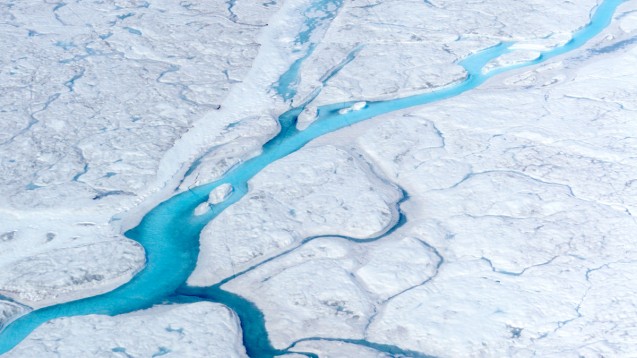
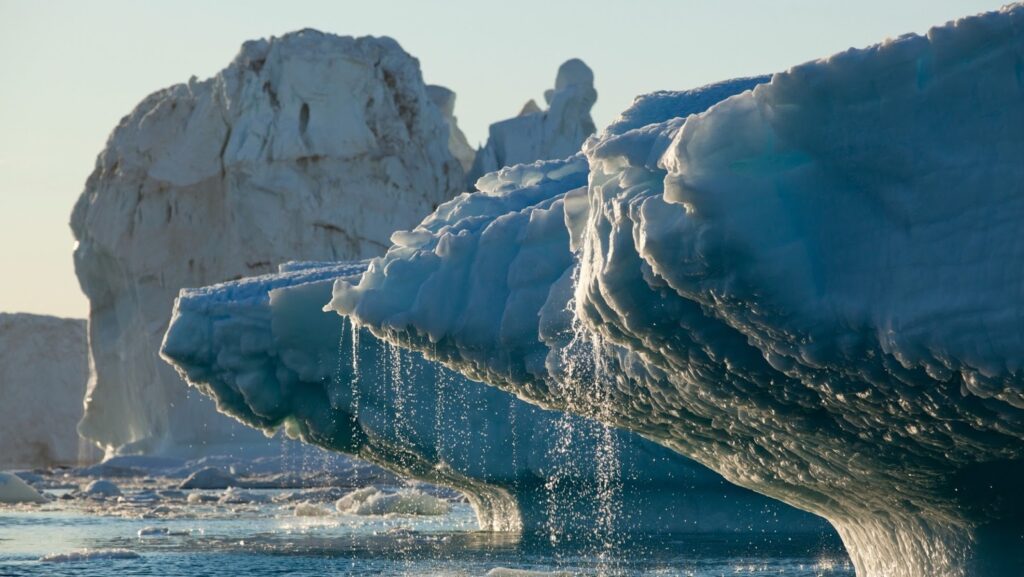
Greenland receives water supply through glaciers and lakes. Thanks to these resources, Greenland has some of the purest water in the world. However, trouble arises because of global warming and the impact it has on the ocean. The primary source of water comes from glaciers, although, in recent years, access to water has become demanding due to the excess amount of greenhouse gases (GHG). As mentioned previously, heating up land ice such as glaciers and ice sheets are melting into the ocean. Every day, 750 billion liters of glacial water ends up in the ocean5.
It has been reported that the ice sheet in Greenland is melting four times faster than in the year 2003. In total, the melting of Greenland’s ice sheet contributes to 20% of the rise of sea level. Both Greenland and Antarctica combined are the top contributors to sea level rising globally. If all the ice on Greenland were to melt, sea levels would rise worldwide by 20 feet, which would cause major concerns and damage17.
Hazards of Wastewater
Wastewater in Greenland is a complicated issue and needs to be monitored thoroughly to limit environmental and health risks. There are two types of waste water, the first is Industrial wastewater. This includes water that has been used for productions like mining, energy resources, and food production13. Domestic wastewater is water used in everyday households such as drinking water, taking showers, and laundry2. This wastewater is not treated before its distribution which can create hazardous risks. Pathogenic microorganisms, parasites, and antibiotic resistant bacteria are all a risk within the water. These are examples of only a few of the consequences. One of the leading challenges for wastewater collection systems is due to the remote settlements with limited accessibility6. One solution that has benefitted this issue is the implementation of bucket toilets, also known as honey toilets. While it provides a solution to not using contaminated wastewater, only 20% of households in Greenland incorporate bucket toilets in their households15.
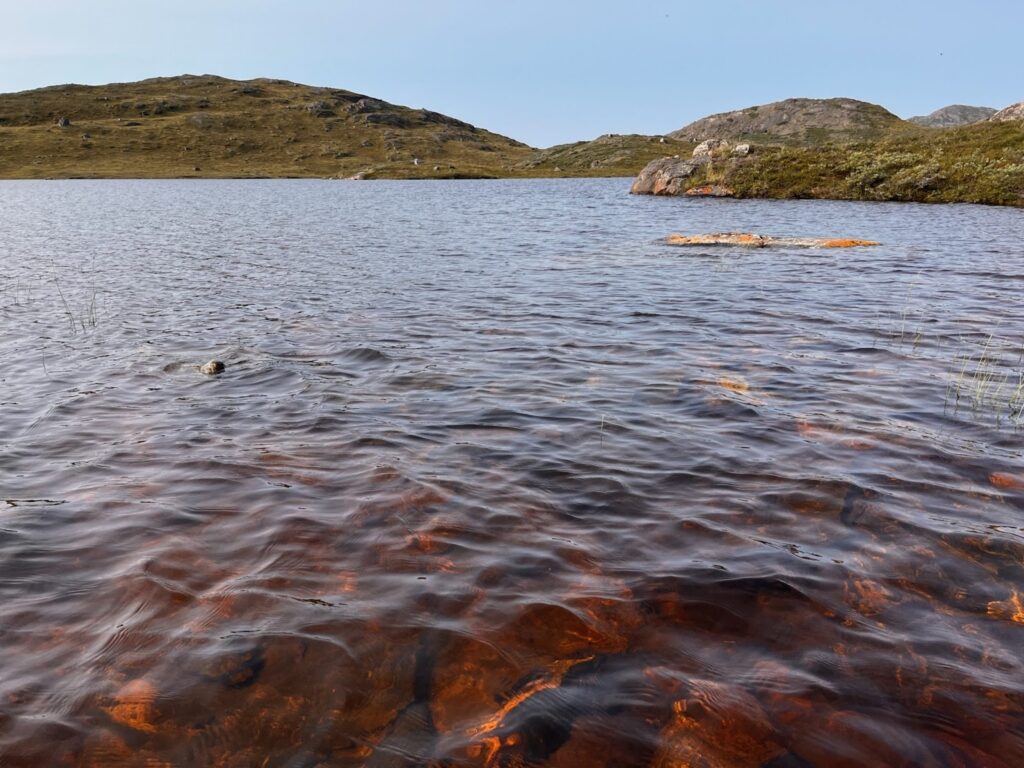
In Western Greenland, snow is typical during the fall. Although, because of rising temperatures, precipitation has occurred instead. The increased temperatures have also caused permafrost to start melting. In order for soil to be considered permafrost, it needs to be frozen solid for two years and can remain frozen for thousands of years4. In the arctic, permafrost stores twice the amount of organic carbon because the soil has been frozen for a millennia10. When it rains an excess amount, the permafrost begins to thaw which releases elements such as carbon and iron which then runoff into the lakes located in Western Greenland. The contamination of these lakes can cause severe health hazards to those who drink the water12.
Successful Solutions
Renewable Energy Water Systems
As crucial as it is to protect ecosystems, society, and overall water quality, the government of Greenland has been working closely to provide sustainable solutions to provide accessible and clean water for all. Nukissiorfiit is a government-owned company whose goal is to supply clean water, electricity, and heat without the use of fossil fuels. Although there is still a long journey ahead, as of 2021, the company has used renewable energy for 72% of its production and headed in the right direction to use 100% by the year 2030. There are only two locations in Greenland that share the same water system, while other towns and settlements rely on their own water systems. To prevent water shortages or running out of water completely, workers from the Nukissiorfiit must be stationed across the island so any issues can be fixed immediately8.
The Glacier Water Company (GWC) is a company which provides glacier water across the globe. The company strives for sustainability which not only benefits those who receive and drink the water but also provide many benefits to the water industry economically. The company has succeeded in ways such as benefitting Greenland’s economy by providing new opportunities for investments. The company also states success in sustainability due to its extremely low emissions and use of fossil fuels for transportation.
Hydropower Plants in the Works
As permafrost continues to melt at alarming rates, tons of fresh water enters the ocean each day. A solution to this is to build a dam in South Greenland. Although this dam to the Arctic Ocean hasn’t finished being built, the Arctic Ice Bank has made reassuring claims that this is the correct solution to this issue. From here, the fresh water from the dam will be exported around the world. Similarly to the Glacier Water Company, this will also benefit Greenland’s economy. While the dam preserves meltwater, it also doubles as a hydropower station which helps to power facilities. Once the dam is built, the fuel from the dam would be capable of powering ships that are transporting products of the Arctic Water Bank. While this dam will provide a solution to glacial water melting into the ocean, it will also create lower emissions towards transportation by making it carbon-neutral.
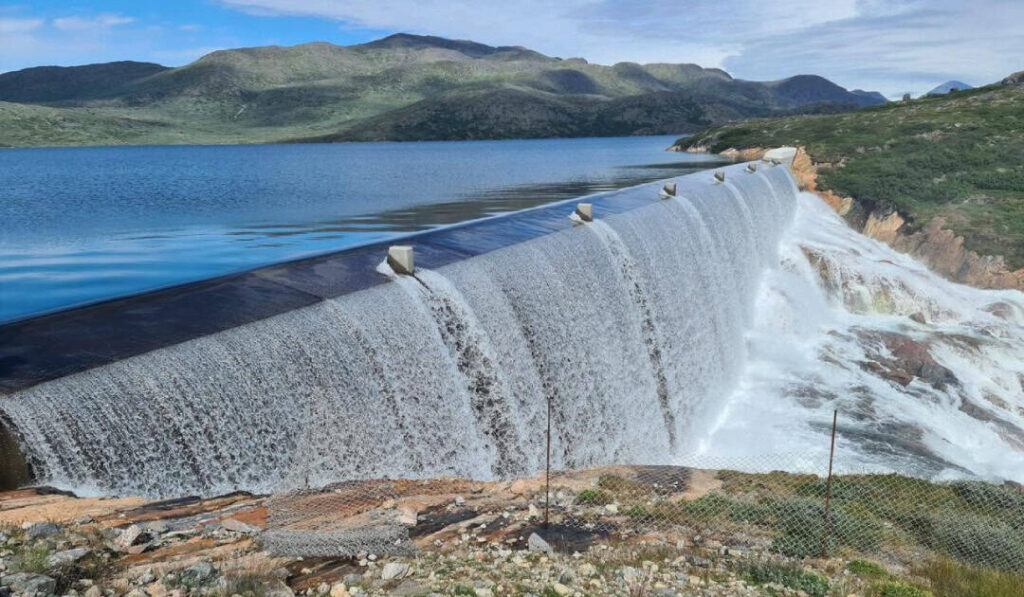
Source 4:https://polarjournal.net/greenland-start-up-to-build-dam-and-export-glacial-water-across-the-world/
List of Stakeholders
- The Greenlandic Government
- The Kingdom of Denmark
- Nukissiorfiit
List of Assets
- Nukissiorfiit- Government Company
- Glacier Water Company
- Asiaq- Government Organization that monitors hydrology across Greenland9
How Does this Tie into the Sustainability Definition?
These successful solutions fit nicely into the working definition of sustainability . In order to live sustainably, the well being of humans is crucial. Water is an essential part of life and is a key factor to survival. That being said, Nukissiorfiit prioritizes environmental integrity because the organization strives to use renewable energy for water production. Not only is renewable energy great, but clean water is also produced. The organization also prioritizes the social well-being of people who live across Greenland so that if a water shortage were to occur, there are people from Nukissiofiit that are there to help. Since Glacier Water Company helps to provide drinkable water around the globe, the company benefits those who receive the water. Not only that but, by supporting this company, it helps to support Greenland’s economy3.