Waste & Garbage
Overview
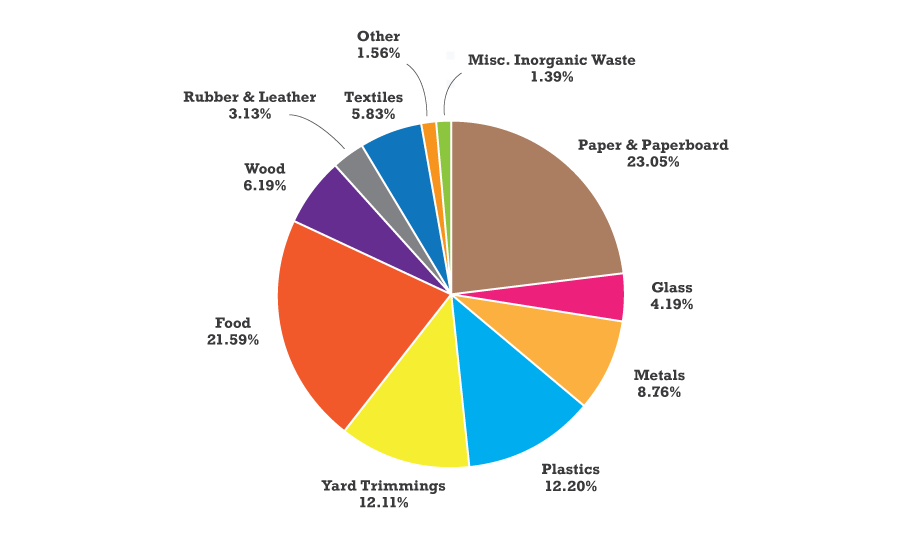
As human beings, it is essential to maintain a sustainable lifestyle. Everything that is bought, used, and consumed or discarded, is still on this planet to this day. It is imperative to be mindful of how waste and garbage should be disposed of. Anywhere from 3.5 million tons to 6 million tons of solid waste is generated each day. In fact, it is expected to more than triple in the year 2100. Currently there are constant efforts being made to reduce and find solutions to better manage waste. To be able to make a difference, education about waste management needs to be prioritized and established in order for change to occur6. Figure 1 shows a pie chart of each percentage of waste there is in the United States alone.
Waste & Garbage Challenges
Abandoned Military Bases
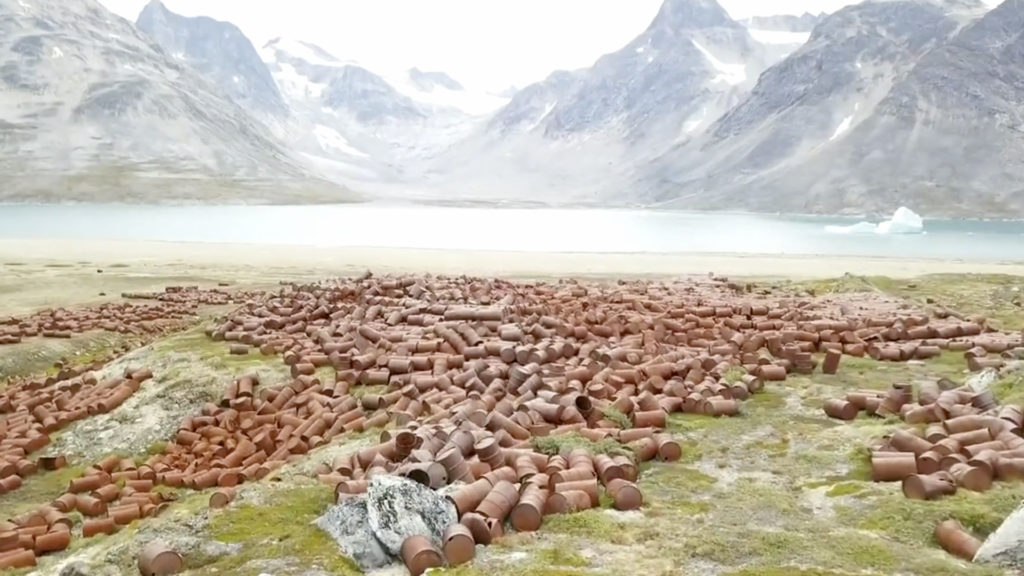
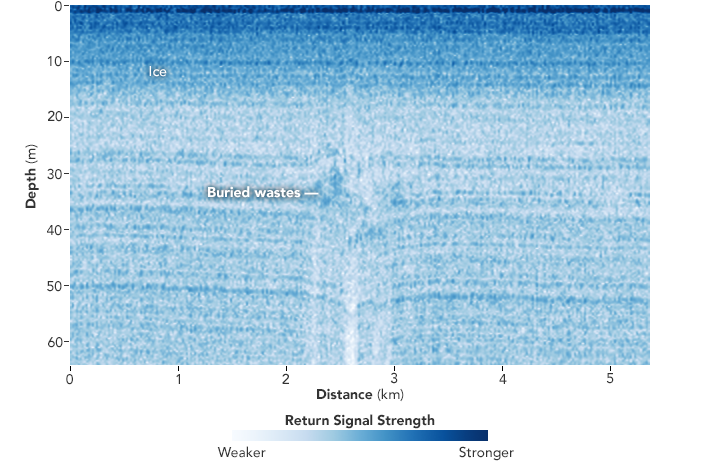
During the Cold War, the United States of America had built a military base called Camp Century located beneath an ice sheet. The base had been abandoned in 1967, and gasoline and polychlorinated biphenyls (PCBs) which are toxic man-made chemicals. The abandoned military base has approximately 9,200 tons of physical waste, 20,000 liters of chemical waste, and 24 million liters of biological waste. Since climate change is prevalent, the sheet of ice with the waste has been melting at a rapid pace. There is an estimate of 36 meters of ice and within the next 75 years, the ice sheet would have completely melted. Camp Century is not the only abandoned military base that is in Greenland. In fact, there are four others located near the Thule Air Base. While melting permafrost is already hazardous due to the release of greenhouse gases (GHGs), there are additional damaging effects of waste4. Being that the waste is beneath ice sheets, this also will lead to the contamination of wastewater. This can lead to other issues such as destroying ecosystems due to the increase of algal blooms, increased bacteria and diseases in the water, and severe health issues in humans and other forms of life1.
Ocean Fish Dumping
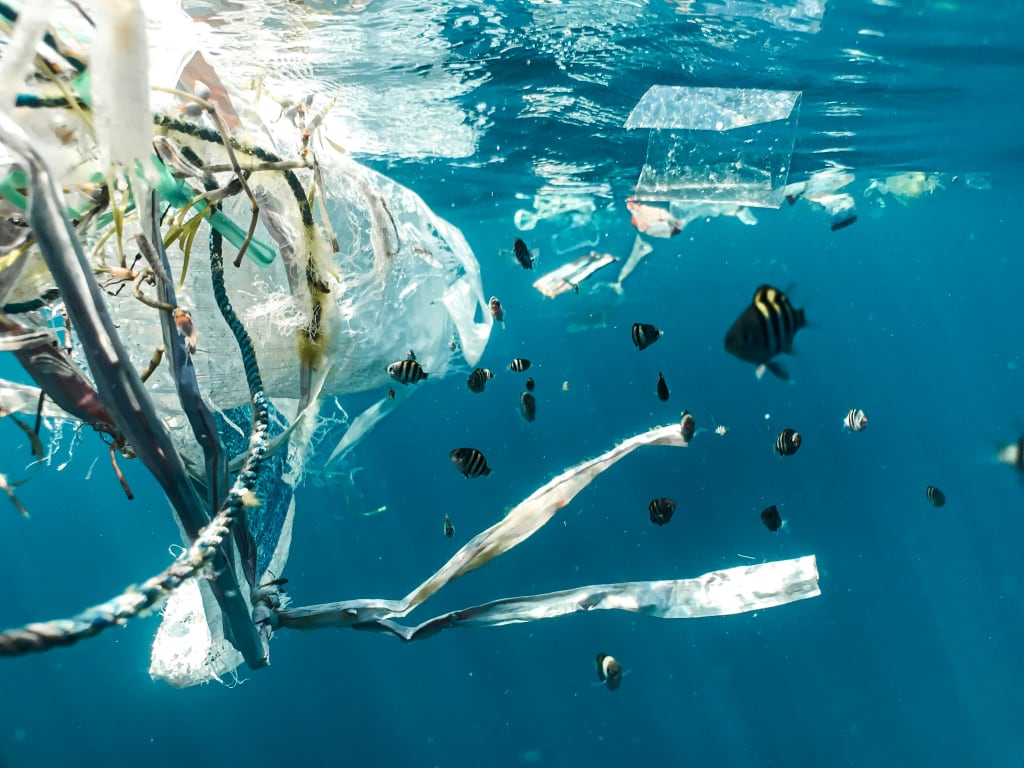
One of the largest industries in Greenland is the fishing industry and is economically relied on. However, oftentimes fishing residue gets dumped into the ocean generating well over 3,000 tons of fish processing waste each year. It wasn’t until the 1990s that Greenland had become aware that dumping fish residue into the water could cause a plethora of issues. Some issues may include introducing non-native and invasive species or diseases to ecosystems2. Another issue is that fish waste reduces oxygen levels on the sea floor because since the waste is decaying, it provides food for bacteria and microorganisms. It can also bury or smother living organisms and disrupt ecosystems. In Greenland, the average total volume of fish and shellfish used is around 67%, whereas the remaining 33% is typically tossed into oceans4.
Successful Solutions
Waste-to-Energy
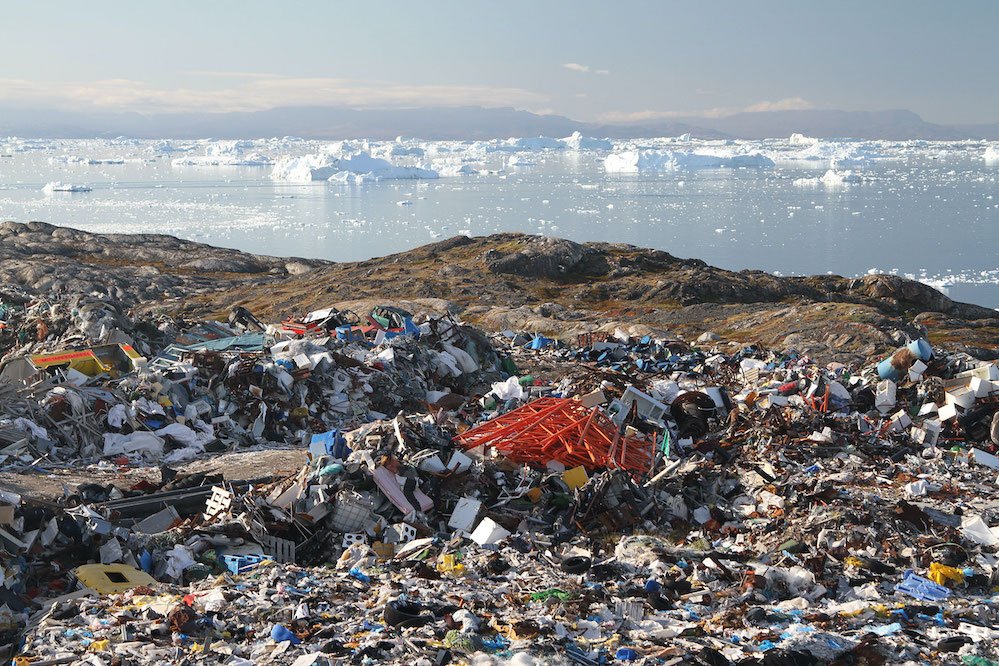
Greenland has been incorporating new technology in order to implement less harmful ways to manage waste and garbage. The Waste-to-Energy power plant introduces a new way to convert waste into renewable energy. There are two plants in Greenland, one located in the Capital, Nuuk, and the second plant is in Sisimiut. This alternative is able to process up to 140 tons of municipal waste each day. The generated energy can be used for heat for the general population. Processing old landfill waste is another capability the plants have, which reduces harmful methane emissions and water contamination3. The two plants are capable of replacing 20 incinerators located in other areas. However, those 20 incinerators have been inactive which has been serving as an open dump leads to waste piling up which can lead to light items such as plastic getting carried by the wind. With little to no people staffing these inactive open dumps, these light items end up polluting wider areas which could damage ecosystems. Not to mention, being understaffed makes it immensely difficult to maintain the dumps7.
Disposing of Mineral Waste
Mining is a constant and ongoing operation in Greenland because of its mass amounts of minerals and rare earth elements (REE). Incinerators designed effectively for mineral waste are an innovative and safer alternative to dispose of mining waste. For instance, these incinerators are easy to install and operate, and capable of safely disposing of the waste. While this is a great solution to a large problem, there are many barriers when it comes to using incinerators. Since they burn waste at high temperatures, this causes greenhouse gas emissions to release into the atmosphere. While the waste density is significantly reduced, there are still many issues environmentally, socially, and economically that are impacted by mineral waste and incinerators5.
Stakeholders
- Greenlandic Government
- Miners
- Staff at open dumps
Assets
- Babcock & Wilcox Renewable (B&W)
- Incener8
Sustainability Definition
While waste and garbage are inevitable, it is crucial to draw the sustainable definition to these solutions. For instance, the Waste-to-Energy power plant helps social well-being since these power plants help generate renewable energy. The use for this energy will span across households, buildings, and other locations to provide heating, electricity, and more. Especially during the harsh weather, this is a great solution to heating systems. These plants are also significantly more ethical because they replace 20 other plants. By doing so, it takes less physical labor and primarily focuses on the two plants that run the systems. In terms of the incinerators to dispose of mineral waste, it provides ethical and resilient economies because it allows the volume of waste to be reduced by approximately 90%. This is beneficial since the toxic mineral waste eliminates the hazardous chemicals. Overall, these solutions provide an outcome that will help future generations to come, and fit appropriately into the sustainable definition.