Air Pollution and Climate Change
Overview
Air pollution is a constant issue the planet faces which can be detrimental to the environment and overall quality of life for humans and organisms. The Travel Doctor Network describes air pollution as a mixture of chemicals, particulate matter, and biological materials that react and form hazardous particles1. Air pollution can be caused naturally or anthropogenically meaning caused by humans. There are two classifications in accordance with anthropogenic air pollutants. The first being primary pollutants which is when a harmful substance is directly emitted into the atmosphere. Whereas secondary pollutants are initially not hazardous when released into the atmosphere. However, once the compounds are in the atmosphere, they convert into harmful pollutants10. Poor air quality can also be detrimental to human health and can lead to a surplus amount of health issues. Short term health effects include dizziness, headaches, and coughing. Long term effects can lead to asthma, types of cancer, cardiovascular diseases, respiratory diseases, and even premature death3.
What Does Air Pollution Look Like in Greenland?
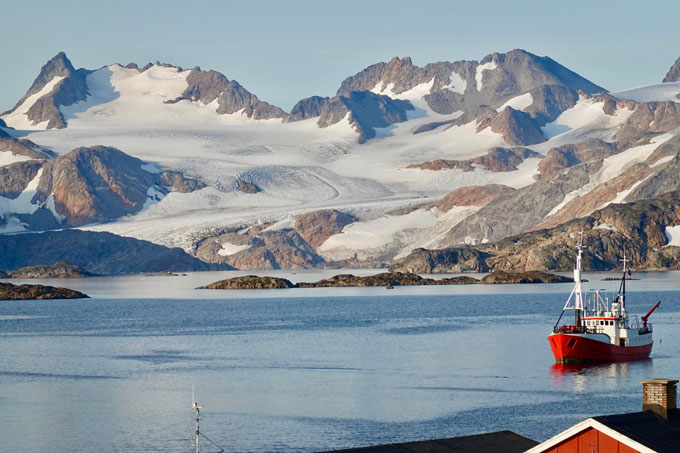
The overall air quality in Greenland is considered moderately unsafe according to the World Health Organization (WHO). One of the main reasons for the air quality to be affected is due to mining industries, shipyards, and overall heating in buildings and homes. Locations such as the northernmost village in Greenland, Qaanaaq rely heavily on heating year-round as temperatures with a winter mean of -9 degrees Fahrenheit. When using heat, fossil fuels are used typically from an oil boiler or diesel-powered6. A link between open waste and air pollution was discovered in Northern Greenland. In 2022, a study was done in the town Qaanaaq to monitor air pollutants. The town is made up of nearly 600 people, however tiny dust and smoke particles were found in the air. While there was air pollution due to open waste burning within the town, further investigation proved that the majority of the pollutants originated from outside the town. The town now incorporates an incinerator to prevent further harm from open waste burning and closely monitors the air quality13.

Global Warming Effects in Greenland
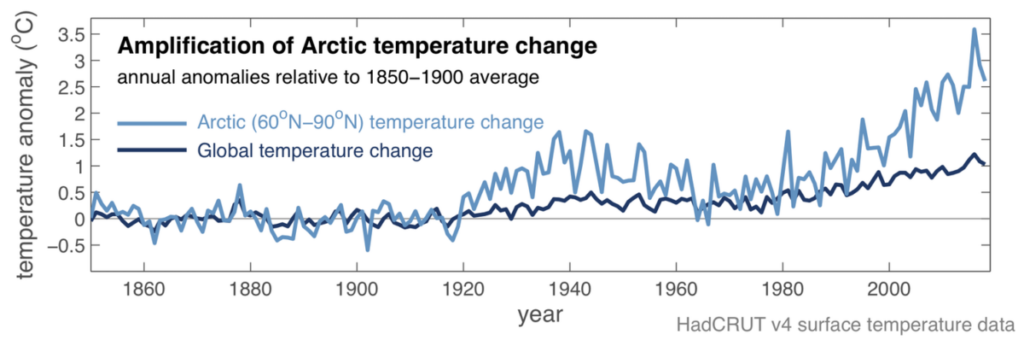
As global warming is on the rise, significant changes have been occurring in Greenland. As ice melts, more land has been revealed leading to rare earth elements being exposed. With this, easier access which has been drawing significant interest internationally7. On the other hand, the more ice melts, the higher sea levels rise which leads to rapid climate change. Changes in climate are made when solar radiation hits ice and snow, approximately 90% of it reflects back into space. The ocean and land that are underneath the ice are darker in color, meaning they absorb more solar radiation. When that ice melts above, more heat is released into the atmosphere which contributes to global warming. When permafrost melts, gases such as carbon dioxide and methane are released into the atmosphere which contributes to global warming and the ground thaws.
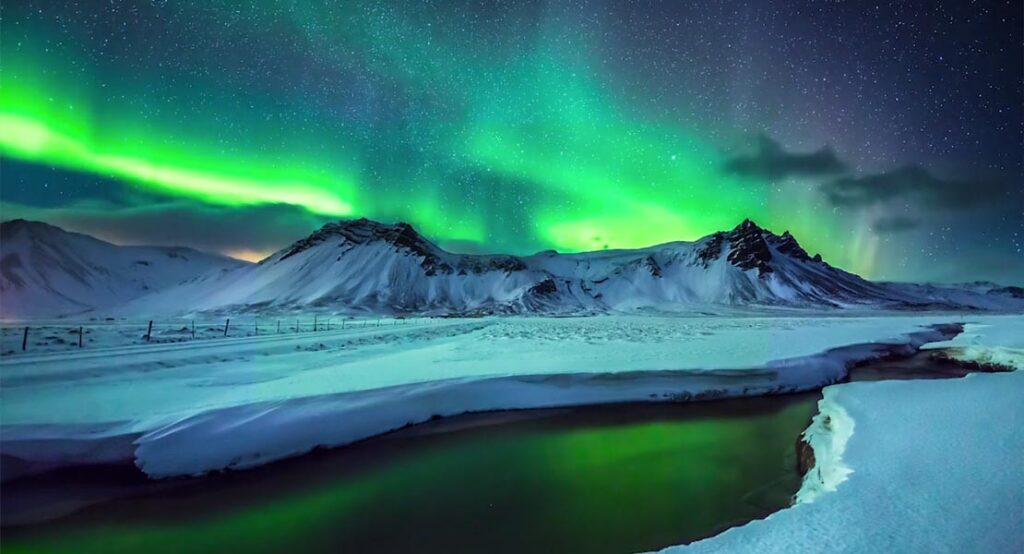
Air Pollution Challenges Greenland is one of the best places on Earth that has limited light pollution. With its small population and relatively isolated towns, the territory is a great place to spot the Aurora Borealis. Also referred to as the Northern Lights, occurs when electrically charged particles from the sun collide with molecules and atoms in Earth’s atmosphere. When they collide, beautiful colors miraculously fill the sky14.
Source 3: https://timelapsenetwork.com/video/kind-magic-amazing-northern-lights-greenland-iceland/
Climate Change Challenges
In a recent scientific study, computer models predicted the future of Arctic sea ice. It is predicted that within the next few decades, sea ice may cease to exist in the Arctic Ocean4. Since 2002, sea levels have risen around 2.5 inches due to the ice melting Greenland alone.
Researchers have discovered one explanation as to why ice sheets are melting at alarming rates in Greenland. A study was conducted and found that dust may be responsible for this issue. Nutrients from mineral dust such as phosphorus is most likely the cause for glacial ice algal growth. These algae blooms are known as the “dark zone” which makes the ice appear darker, and is responsible for up to 13% of surface melting7 11 . The more algae that grows, the ice becomes darker, which means less sunlight is able to reflect. Whereas mentioned previously, this causes the ice to melt and the sea levels to rise16.
The Clean Arctic Alliance
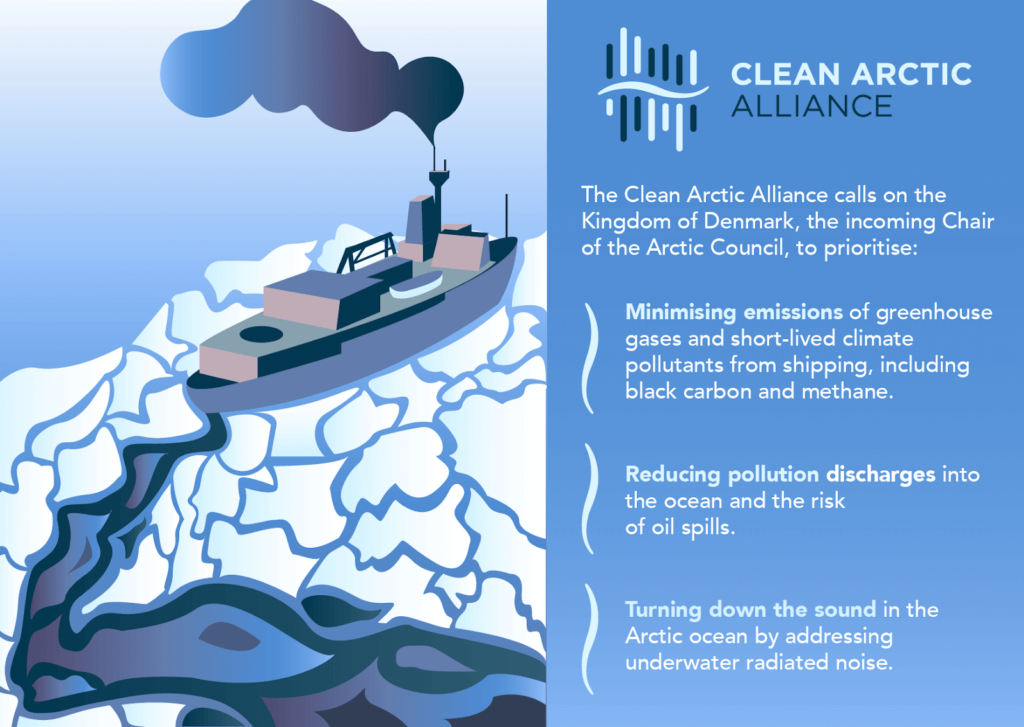
Figure 2: https://cleanarctic.org/wp-content/uploads/2025/01/caa_kod__jan2025-1.png
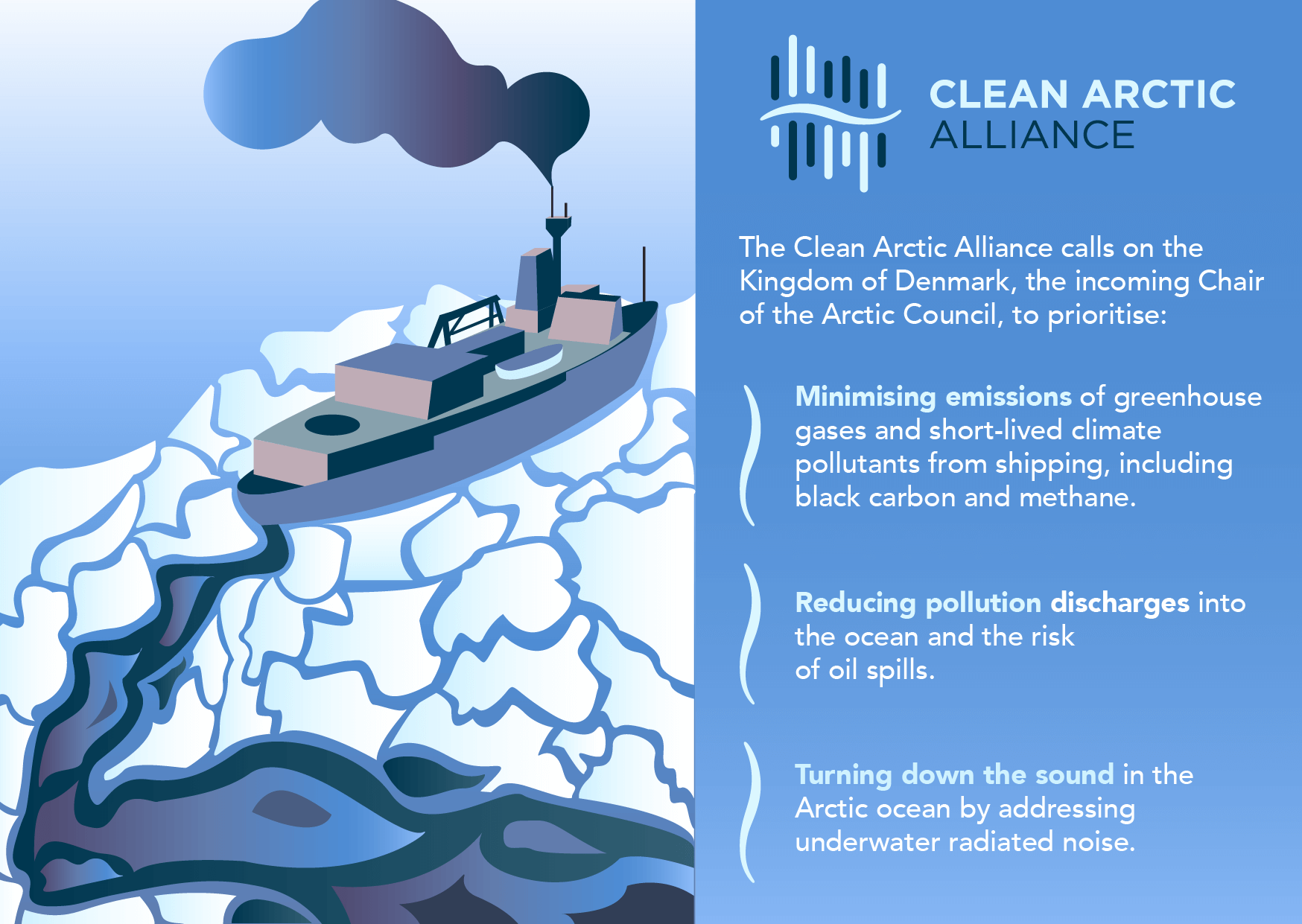
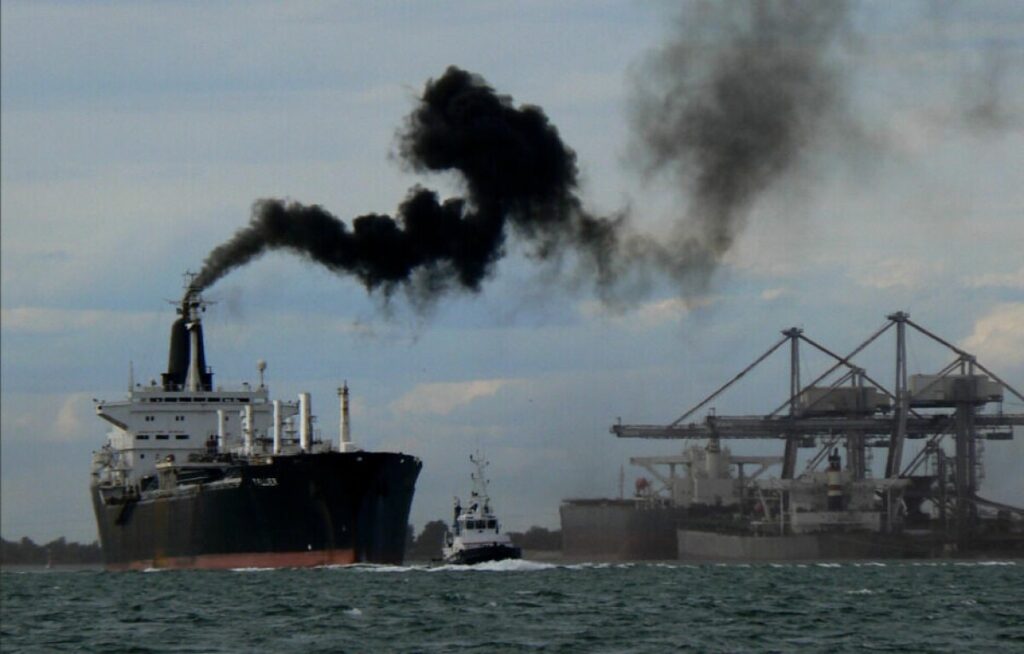
As shown above, the Clean Arctic Alliance is dedicated to promoting zero emissions in areas where pollution may be high risk such as shipping2. A large contribution to air pollution is transportation of boats and ships. While they are convenient for travel and exporting goods, it severely hinders greenhouse gas emissions. This organization is working to implement the heavy fuel oil (HFO) ban which restricts boats from the possibility of oil spills and reduces high greenhouse gas (GHG) emissions. Many ships don’t execute this ban because they are allowed to continue HFO until 2029. An appropriate alternative would be to use liquified natural gas (LNG) which produces low-carbon fuel. Another issue is the usage of Exhaust Gas Cleaning Systems, also known as scrubbers, which is technology that cleans sulphur oxides from the engine of ships. This is harmful to the environment because scrubbers pollute both water and air3. Cleaning up oil spills can also be detrimental to the atmosphere as it requires large amounts of soot and greenhouse gas emissions as well. While the Clean Arctic Alliance is promoting awareness and cause for action, unless a ban is actively implemented, many won’t make the change the economy needs to succeed. The majority of people stick to their values and beliefs because it may be most convenient for them.
List of Stakeholders
- Greenlandic Government
- The Kingdom of Denmark
- Industries such as fishing, mining, and exportation
List of Assets
- Arctic Station- 7F3M+83M, Disko Island, Qeqertartarsuaq, Greenland
- Arctic DTU Sisimiut Research Station- Island 8911, Greenland
- Station Nord, Greenland
Air Quality and Climate- Sustainability Definition
According to the working definition of sustainability, in order to take steps closer to succeeding, there are several components that need to be sought out in order to be effective.In regards to social well-being, there needs to be clean water that’s free from oil spills. Greenhouse gases and pollutants which are toxic get released into the atmosphere. When released into the atmosphere, it can create major health concerns to those who inhale the oil particles. As mentioned previously, symptoms include dizziness, respiratory symptoms, and lung cancer12. It is also imperative that the work environment is safe when working with ships and oil transportation. Especially to discontinue the use of scrubbers as it is detrimental for the environment and human health.